Thanks to bots, scalpers, and even more bots, companies have been implementing strange ways to get GPUs into the hands of enthusiasts over the last few months. We've seen lotteries to , we've seen to beat the scalping market, and we've seen potential customers purchasing . However, it seems one store in Japan has implemented the most specific and most infeasible way of controlling how its GPUs are being used.
As reported by (and attributed to a post on Weibo), a Japanese shop has taken to informing potential customers it will not sell and GPUs to those looking to take them outside of Japan.
The Zotac RTX 5090 in said electronics store sells for ¥452,800, which equates to roughly $3,170. This price is inclusive of sales tax, though those with foreign passports can apply for tax-free shopping at many retailers when paying over ¥5,000 ($30).
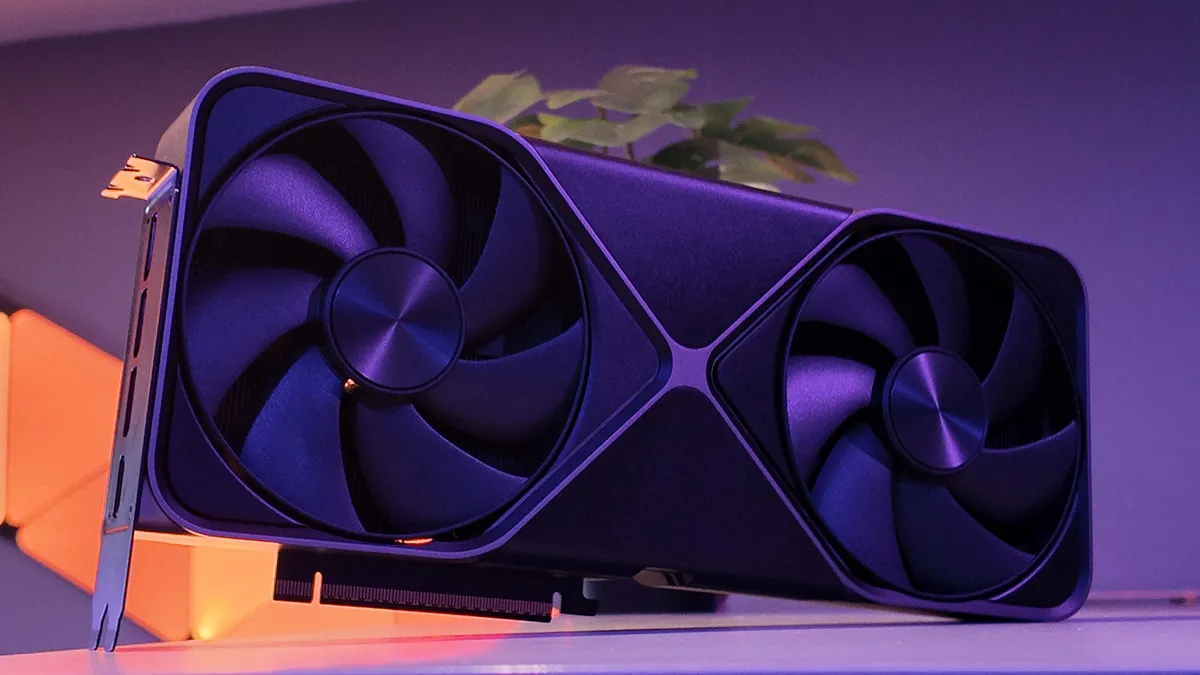
However, no information is given on how exactly this policy could be enforced. It doesn't specify tourists, so a test wouldn't quite work, and the likelihood of a store asking for proof of residence before allowing someone to purchase an item is quite slim. This is before mentioning that a Japanese resident could feasibly purchase a card for a potential l86.com สล็อต buyer and give it to them outside of a store—you know, like a teenager chancing their arm at pg168 ทางเข้า getting alcohol to impress their friends.
Back around the launch of the RTX 30-series cards, UK electronic seller, Overclockers UK, halted sales to the US due to high demand, and recent tariffs ทางเข้า w88 ใหม่ ล่าสุด have also stopped RTX 50-series sales shipped to the US, but you can still buy any card in the UK and bring it across should you want to. This new policy in Japan is quite different as it is about stopping customers from buying in the physical shop, specifically.
Keep up to date with the most important stories and the best deals, as picked by the PC Gamer team.
According to VideoCardz, some Japanese stores opted to deny customers looking to buy GPUs without sales tax, but tourists still bought the cards at full price. Some tourists reportedly found it was cheaper to fly to Japan and buy a card than buy it in their home country, even at an inflated price with included sales tax.
Still, the store is likely putting a metaphorical line in the sand here, even if it feels very hard to enforce in any real way.